Expert EV Charger Installation: Power up Your Electric Vehicle at Home With Ease
Skilled EV charger installation is crucial for the seamless integration of electric vehicles into everyday routines. By guaranteeing compliance with local electrical codes and optimizing placement, specialists improve both safety and efficiency. Understanding the various types of chargers available is vital for making educated decisions. Still, many homeowners miss important factors that can impact performance and convenience. What should one consider before making the switch to electric vehicle charging at home?
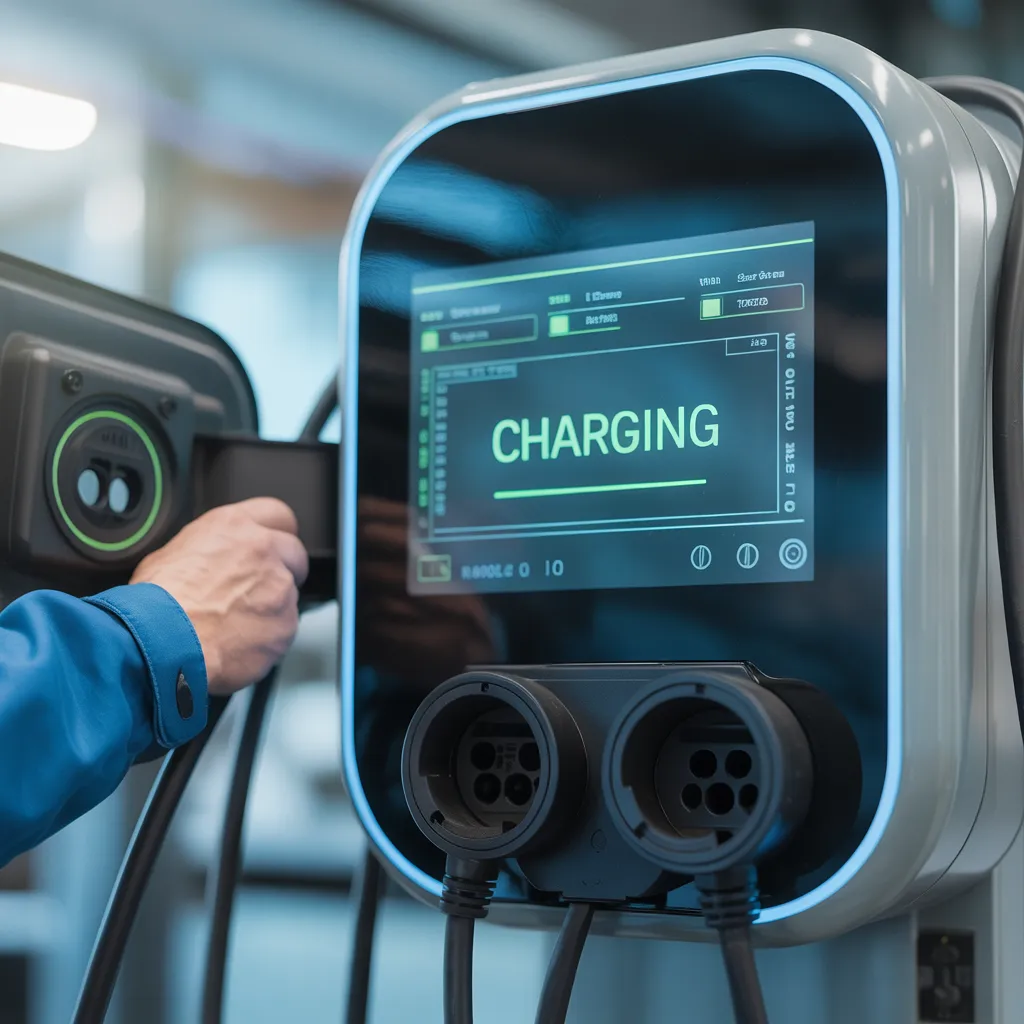
What Are the Benefits of Expert EV Charger Installation?
Even though some may contemplate a DIY approach to EV charger installation, the expertise of a professional can greatly boost safety and efficiency. Employing a qualified technician confirms that the installation adheres to local electrical codes and regulations, minimizing risks connected to improper wiring or equipment. Professionals bring valuable expertise to the table, enabling them to pinpoint the most optimal location for the charger, enhancing performance and accessibility.
In addition, specialists can propose the right type of charger depending on the specific needs of the electric vehicle owner, assuring compatibility and maximum charging speed. Their proficiency also extends to potential electrical upgrades, which may be needed to support the new charger. Furthermore, professional installation commonly comes with warranties and guarantees, delivering peace of mind to homeowners. To sum up, expert installation not only boosts the functionality of EV chargers but also greatly promotes the overall safety and reliability of the charging system.
Learning About Diverse Kinds of EV Chargers
What sets apart the numerous types of EV chargers offered today? Mainly, they are divided into three levels: Level 1, Level 2, and DC Fast Charging. Level 1 chargers employ standard household outlets, offering a slow charging rate, typically supplying about 4 to 5 miles of range per hour. They are ideal for overnight charging at home but may be unsuitable for rapid charging needs.
Level 2 chargers operate at a higher voltage, offering a faster charging rate—usually 10 to 60 miles of range per hour. These charging units are frequently set up in home environments and public charging locations, which makes them a preferred option for everyday use.
DC Fast Chargers, in contrast, deliver high-speed charging capabilities, replenishing up to 80% of an EV's battery in half an hour or less. They are mainly situated in commercial sites along highways, addressing the need for swift charging during long journeys.
Top Advantages of Hiring a Professional for EV Charger Installation
Hiring a professional for EV charger installation ensures a safe and efficient setup that adheres to local electrical codes. Professionals possess the expertise to assess the specific electrical demands of the home, ensuring the charger is installed in a optimal location for maximum performance. They can identify potential concerns that a layperson might ignore, such as the need for electrical upgrades or circuit compatibility. Additionally, professionals remain updated on the latest technology and installation best practices, providing peace of mind that the charger will operate reliably.
Additionally, hiring a professional can save time and reduce the risk of installation errors that could result in costly repairs or safety hazards. Many licensed installers also include warranties on their work, providing an extra layer of peace of mind. In the end, enlisting a professional simplifies the process, helping homeowners to experience their electric vehicle charging solution without unnecessary stress or complications.
What Can You Expect From Your EV Charger Installation?
When contemplating an EV charger installation, it is essential to understand the site assessment process, which identifies the ideal location for the charger. In addition, an overview of the installation timeline helps set expectations for the project duration. Finally, discussing equipment and wiring details will clarify what is necessary for a successful installation.
Property Evaluation Procedure
How can one guarantee a streamlined and efficient EV charger installation? The site assessment process plays a crucial role in accomplishing this goal. Initially, a trained technician inspects the property's electrical system to confirm it meets the specifications for the new charger. This evaluation includes examining the electrical panel's capacity, wiring conditions, and the closeness of the installation site to the power source. In addition, the technician considers factors such as the placement of the charger for safety and convenience, as well as any local codes or regulations that must be adhered to. By managing these factors during the site examination, homeowners can secure superior performance and safety for their EV charger, paving the way for a successful installation.
Timeline for Installation Overview
While the timeline for EV charger installation can vary depending on several factors, homeowners can typically expect a straightforward process that unfolds over a few key stages. Initially, a site assessment is conducted to assess the home's electrical capacity and best charger location. Following this, the installation appointment is typically scheduled, which may take between a few hours and a full day, based on the complexity of the installation. After installation, a final inspection may be mandated to ensure compliance with local regulations and safety standards. Homeowners should also factor in time for any needed permits, which can vary by jurisdiction. Overall, the entire process can often be completed within a week, facilitating a timely transition to electric vehicle ownership.
Equipment and Cabling Details
An effective EV charger installation copyrights on the right equipment and proper wiring. The process commences with selecting a compatible charger, typically Level 2 for home use, which requires a dedicated circuit. Installation includes heavy-duty cables, connectors, and potentially a wall-mounted unit. Electricians assess the existing electrical panel to verify it can handle the additional load, often recommending upgrades for safety and efficiency. Proper wiring involves adhering to local codes, ensuring the installation is safe and compliant. Additionally, grounding and surge protection are critical to prevent electrical issues. Homeowners may also consider smart chargers, which offer features like scheduling and remote monitoring, elevating the EV charging experience. Thus, meticulous attention to equipment and wiring details is essential for optimal performance.
Is Your Residence Equipped for an EV Charger?
Assessing whether a house is ready for an EV charger requires thorough consideration of several key factors. First, the electrical system's capacity must be evaluated to guarantee it can handle the additional load from the charger without overloading. Homeowners should inspect their main electrical panel for available amperage and consider any needed upgrades.
Additionally, the residence's wiring should be assessed for compatibility with the charger, as aging wiring could fail to meet current safety standards. The distance from the electrical panel to the planned charging location is also vital, as extended distances might need more extensive wiring and greater installation costs.
Furthermore, local regulations and permitting requirements should be reviewed, as they may affect installation practicality. Lastly, the presence of a dedicated parking space is crucial for hassle-free access to the charger. Assessing these factors will help identify a home's readiness for EV charger installation.
Choosing the Right Place for Your EV Charger
Choosing the suitable location for an EV charger is crucial for efficient usage and convenience. Considerations such as whether to install it in a garage or outdoors, its proximity to a power source, and ease of access for daily charging should be carefully considered. Each selection influences the overall functionality and efficiency of the charging experience.
Garage Storage Versus Outdoor Placement
When evaluating the installation of an EV charger, the decision between garage and outdoor placement is vital in both convenience and functionality. Garage placement offers protection from the elements, reducing wear and tear on the charger and the vehicle. It also allows for a cleaner, more organized installation, free from external interference. Alternatively, outdoor placement offers flexibility for homeowners with limited garage space and permits easier access for multiple vehicles without the need to enter the garage. However, outdoor chargers must be weatherproof and adhere to local regulations. Ultimately, the decision copyrights on personal preference, available space, and the specific requirements of the EV charger, guaranteeing peak performance and ease of use.
Distance To Electrical Source
An EV charger's location is significantly affected by how close it is to a power source. Picking a location in proximity to an electrical panel or outlet can greatly minimize installation costs and complexity. When choosing a spot for the charger, homeowners should consider the distance from the power source, since extended distances might necessitate extra wiring and could result in greater energy loss. In addition, local building standards and regulations could determine the minimum clearance from the main power supply for safety factors. Analyzing the site conditions and existing electrical infrastructure is vital in reaching the right choice. Appropriate location not only assures effective charging but also eases maintenance and lessens the risk of electrical dangers, consequently elevating the total user experience.
Accessibility in Day-to-Day Use
While numerous factors determine the placement of an EV charger, providing accessibility for daily use is critical. Homeowners should examine locations that facilitate easy ingress and egress of the vehicle, limiting the need for awkward maneuvers. Ideally, the charger should be positioned close to the parking area, whether it's a garage or outdoor space, to ensure convenient access. Furthermore, the installation should take into account any potential hindrances, such as landscaping or other structures, that could obstruct the charging process. Visibility is also significant; a well-lit and easily identifiable location improves both practicality and safety. By prioritizing accessibility, EV owners can simplify their charging routine, consequently promoting the efficient use of their electric vehicles.
Frequent Pitfalls to Steer Clear of When Setting Up EV Chargers
Setting up EV chargers can be a straightforward process, but several common mistakes can complicate the experience. One common error is underestimating the electrical capacity of the home. Many individuals fail to assess whether their existing electrical system can handle the additional load, leading to potential overloads. Another common mistake is poor placement of the charger; installing it too far from the parking area can cause short cable lengths and impractical access. Additionally, ignoring local codes and regulations may cause fines or safety hazards. Some installers also overlook the importance of proper grounding, which is critical for safety. Neglecting to choose a charger compatible with the specific EV model can result in inefficiency. Finally, DIY installations without professional assistance can lead to improper wiring or connections, undermining performance and safety. By avoiding these pitfalls, homeowners can secure a successful installation and efficient charging experience.
Best Practices for Maintaining Your EV Charger's Durability
Preserving an EV charger is vital for securing its longevity and optimal performance. Periodic inspections are critical; users should inspect for any indications of wear, damage, or corrosion. Ensuring the charging unit spotless and devoid of dust or debris can avoid overheating and ensure proper functionality. It's also important to check the electrical connections regularly, tightening any loose components to ensure a stable connection.
It's advisable for users to avoid exposing the charger to extreme weather conditions whenever possible; employing protective covers may help. In addition, confirming that the charger is not overloaded and sticking to the manufacturer's guidelines on usage will extend its lifespan.
Lastly, updating the firmware, if applicable, ensures the charger functions with the newest security protocols and features. By following these upkeep recommendations, users can confirm that their EV chargers stay dependable and effective for many years, serving their electric vehicle needs effectively.
What's Next for Home EV Charging Solutions
As electric vehicle adoption continues to rise, the evolution of home-based EV charging options is becoming ever more vital. Innovations in charging technology are expected to enhance both user convenience and operational efficiency. Cable-free charging solutions, for instance, promise to eliminate the need for unwieldy charging cords, permitting vehicles to charge automatically when parked. Furthermore, smart chargers that connect to home energy management systems can enhance charging times depending on electricity rates and energy availability consult this source from renewable sources.
In addition, improvements in battery technology could lead to faster charging capabilities, decreasing downtime for EV owners. Increased collaboration between automakers and energy companies may produce more accessible charging infrastructure, including at home. As the demand for sustainable energy sources rises, future home charging solutions will likely integrate energy storage systems, enabling users to harness solar power for their EVs, further improving energy independence and sustainability.
FAQ
How Much Time Does the Installation Typically Take?
The installation process typically takes between four and eight hours, contingent upon the intricacy of the electrical system and the individual requirements of the home. Variables such as permits and inspections can additionally influence scheduling.
Am I Able to Install an EV Charger on My Own?
While some homeowners may consider installing an EV charger independently, it is typically advised to hire a professional. Expert installation guarantees safety, compliance with local codes, and superior operation of the charging equipment.
What Permits Are Needed for EV Charger Installation?
Local ordinances generally mandate permits for EV charger installation. Residents need to contact their municipality to determine specific requirements, which may include permits for electrical work and safety inspections, guaranteeing compliance with safety and zoning laws before installation starts.
Are There Tax Benefits for Installing an EV Charger?
Yes, various tax incentives exist for installing EV chargers, featuring both federal tax credits and rebates at the state level. These incentives work to promote the use of electric vehicles and promote green energy solutions for homeowners.
What Happens if I Move to a New Home?
If someone moves to a new home, they could be required to uninstall and reinstall their EV charger, ensuring compatibility with the relocated home's electrical system. This process may require further expenditures and considerations related to permits.